New ArrivalEthiopia
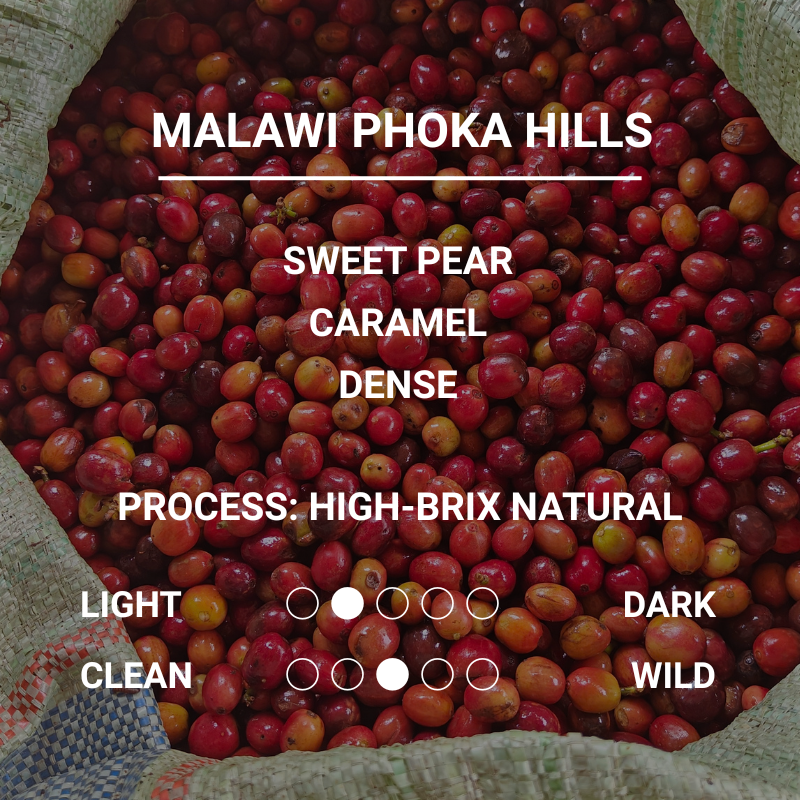
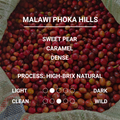
Malawi Phoka Hills is a very distinctive coffee. But this uniqueness is not due to the varietal or the processing method, rather, it comes down to the cherry-picking process. With a careful light-medium roast we have delivered a coffee that resembles sweet pear with a fresh acidity. After that, the best part, the rich sweetness and thickness of freshly made caramel sauce just takes over and lingers on the tongue. For filter brewing, it’s very forgiving and ideal for the "mild acidity" people. Espresso lovers, just pull the shot a little longer to tone down that acidity and let the sweetness ride.
We are committed to delivering the freshest, highest-quality coffee directly to your door. To ensure you get the freshest products, we roast our coffee on demand and strive to dispatch orders within the next business day.
Delivery coverage: UAE only (international & GCC delivery coming soon). Dubai: Dispatches in 1-3 Days where operationally feasible. Other Emirates: 1–3 business days. Saturday orders for other Emirates are prepared from Monday onwards.
Free delivery on all orders over AED 200. Below AED 200, a location-based delivery fee is shown at checkout.
Business hours: Mon–Fri 9:00 AM–6:00 PM · Sat 10:00 AM–4:00 PM · Sun closed. If a delivery attempt fails, our courier will contact you to rearrange. Occasional delays (public holidays, weather) will always be communicated.
For business enquiries, please contact us here. Cafés & offices: this lot is available in wholesale volumes with training, machine sales and technical support. WhatsApp +971 4 329 5085 or email info@thebrewcrew.coffee.
Every number — and every note — behind this coffee, published. Tap a metric to see what it means and why it matters.
Malawi is an emerging East African coffee origin with a smaller, more distinctive presence in the global specialty coffee landscape. Its growing coffee culture reflects the country’s unique agricultural heritage and environment.
Located in northern Malawi, Rumphi is an important coffee-growing region known for its mountainous terrain and favorable growing conditions. The region forms part of Malawi’s smaller but distinctive specialty coffee landscape.
We work directly with smallholder farmers at origin, collaborating closely on processing and quality to bring out the best in their coffee. This hands-on partnership gives us greater involvement from farm to cup while supporting the people behind each harvest.
Catimor is a coffee variety developed by crossing Timor Hybrid with Caturra, valued for its resilience and ability to produce good-quality coffee across a range of growing conditions.
Grown at 1,500 metres above sea level, the cooler conditions at this elevation slow coffee cherry development, allowing more time for complexity and character to develop in the cup.
In a High-Brix natural process, producers selectively harvest coffee cherries only when they reach their peak sugar concentration, typically between 18° and 22° Brix. By drying these meticulously sorted, sugar-dense fruits whole on open-air beds, the process maximizes the bean's clean, inherent sweetness.
A light-medium roast balances the coffee’s natural character with added sweetness and body from roasting. It preserves much of the coffee’s origin-driven complexity while creating a more rounded and approachable cup.
This coffee is roasted to perform well across both espresso and filter brewing, offering enough structure and intensity for espresso while retaining the clarity and character needed for filter.
More from the roastery — same freshness promise, different cups.